
Table of Contents
Can You Freeze Pita Bread?
Yes, you can freeze pita bread! In fact, freezing is one of the best ways to preserve its freshness, softness, and flavor. Whether you have homemade pita, store-bought flatbread, or leftover pita pockets, proper freezing can keep the bread in excellent condition for several months.
For the best texture and taste, aim to use frozen pita bread within 2–3 months, although bread kept continuously frozen at 0°F (-18°C) remains safe beyond that period if it was safe when frozen.
Quick Answer: Freezing Pita Bread
| Question | Answer |
|---|---|
| Can you freeze pita bread? | Yes |
| Best freezer storage time | 2–3 months |
| Freezer temperature | 0°F (-18°C) or colder |
| Can you freeze homemade pita? | Yes |
| Can you freeze store-bought pita? | Yes |
| Should you separate individual pitas? | Recommended |
| Can you reheat from frozen? | Yes |
| Does freezing change the texture? | Slightly, but usually very little |
| Best reheating method | Skillet or oven |
How to Freeze Pita Bread: Step-by-Step Guide
- Step 1: Let the pita cool completely
If you have freshly baked pita, allow it to cool to room temperature before freezing. Warm bread releases moisture, which can become ice crystals inside the packaging.
- Step 2: Separate the pita breads
Place parchment or wax paper between individual pitas. This prevents them from sticking together and makes it easier to remove one at a time.
- Step 3: Package tightly
Place the pita in a freezer-safe resealable bag. Remove as much air as possible without crushing the bread. For extended storage, wrap the stack first and then place it inside the bag.
- Step 4: Label and freeze
Write the freezing date on the bag and store it flat in the freezer. Avoid placing heavy frozen items on top, which can crack the pita.
This method is suitable for white pita, whole-wheat pita, mini pita pockets, Greek-style flatbread, and most gluten-free varieties.
How Long Does Pita Bread Last in the Freezer?
The duration depends on packaging, bread ingredients, and freezer conditions.
| Type of pita bread | Recommended storage for best quality |
|---|---|
| Homemade pita | 2–3 months |
| Store-bought pita | 2–3 months |
| Whole-wheat pita | 2–3 months |
| Gluten-free pita | Around 1 month |
| Pita stored in original thin packaging | A few weeks |
| Properly sealed commercial frozen pita | Follow manufacturer’s instructions |
These are quality recommendations, not strict safety deadlines. Commercial frozen pita may carry a longer shelf life depending on its packaging and processing.
The general three-month recommendation is consistent with published bread-freezing guidance from King Arthur Baking and Seattle’s food-waste prevention program. King Arthur Baking+1
Best Ways to Thaw Frozen Pita Bread
Pita bread can be thawed using several methods. The best choice depends on how quickly you need it and whether you prefer soft or slightly crispy bread.
Room temperature — best for maintaining softness
Leave the pita in its packaging at room temperature for approximately 20–40 minutes, or until flexible. Thicker stacks may need longer.
- Skillet — best for fresh-baked flavor
Heat a skillet over medium heat. Warm the frozen pita for approximately 30–60 seconds per side, adjusting until heated throughout. Cover briefly if you want a softer result.
- Oven — best for multiple pitas
Preheat to 350°F (175°C). Loosely wrap the pita in foil and heat for 5–10 minutes, checking until warm.
- Microwave — fastest option
Cover one pita with a lightly damp paper towel and microwave for 10–20 seconds. Add short intervals as needed. Serve immediately because microwaved bread can become chewy or tough as it cools.
Times are approximate and vary with thickness, microwave wattage, and whether the pita is completely frozen.
Can You Freeze Homemade Pita Bread?
Absolutely. Homemade pita often freezes particularly well when stored shortly after baking.
Fresh pita contains moisture that helps maintain its soft, flexible texture. Freezing promptly slows the staling process and helps preserve the bread’s original character.
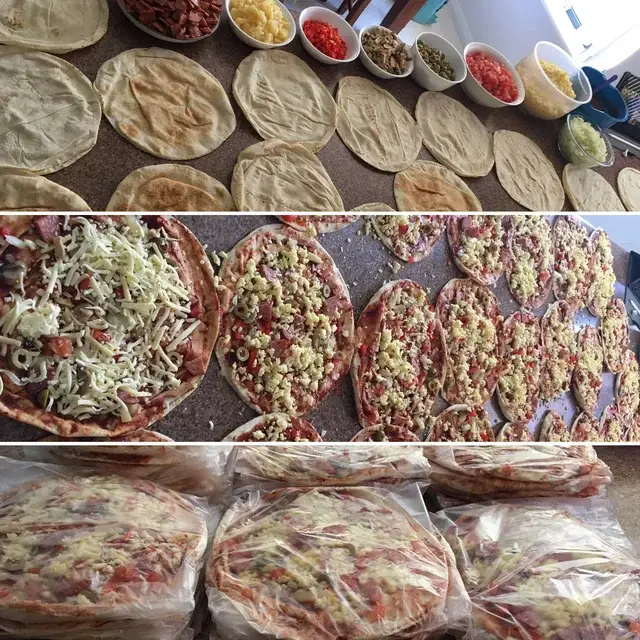
For the best results, allow homemade pita to cool, divide it into portions, package it airtight, and freeze it the same day.
One important tip: avoid slicing open the pita pocket before freezing unless you plan to use it for sandwiches. Keeping the pita whole can help reduce moisture loss and damage.
Can You Freeze Store-Bought Pita Bread?
Yes. Most packaged pita bread can be frozen, including white, whole-grain, and Greek-style varieties.
If the package is unopened and you intend to use the bread within a few weeks, the original packaging may be adequate. For longer storage, place the original package inside an additional freezer bag.
If the package is already opened, transfer the bread to an airtight freezer-safe bag before freezing.
Always check the label, particularly on specialty products, for any manufacturer-specific storage instructions.
Does Freezing Affect Pita Bread’s Taste and Texture?
Freezing generally preserves pita bread very well, but the results depend on packaging and reheating.
| Quality factor | Expected result after proper freezing |
|---|---|
| Flavor | Usually very close to fresh |
| Softness | Well preserved after gentle warming |
| Flexibility | Usually maintained |
| Pocket structure | Usually preserved if not crushed |
| Moisture | May decrease slightly |
| Aroma | Improved by reheating |
| Nutritional value | Largely unchanged |
The most common problem is dryness rather than a major change in flavor. A brief reheating session, particularly in a covered skillet, can help improve flexibility.
Freezer burn is another potential issue. It occurs when frozen food loses surface moisture and can cause dry, pale patches. It mainly affects quality, not safety.
Can You Freeze Pita Bread With Fillings?
You can, but the suitability depends on the filling.
| Filling | Freezer suitability | What to expect |
|---|---|---|
| Cooked chicken | Good | Reheat thoroughly |
| Cooked beef or lamb | Good | May lose some moisture |
| Falafel | Good | Best reheated separately or in an oven |
| Hummus | Fair | Texture may change |
| Hard cheese | Good | May become slightly crumbly |
| Fresh tomatoes | Poor | Can turn watery |
| Lettuce | Poor | Becomes limp |
| Cucumber | Poor | Loses its crispness |
| Yogurt-based sauces | Poor to fair | May separate |
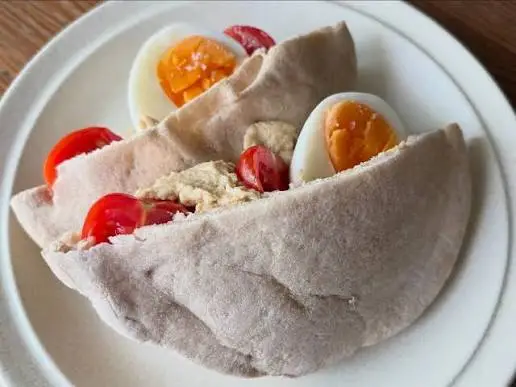
For the best results, freeze pita separately from fresh vegetables, sauces, and wet fillings. Assemble the sandwich after thawing and reheating.
If you’re freezing a fully prepared pita sandwich with meat, dairy, or other perishable ingredients, refrigerate during thawing and follow appropriate food safety practices.
Common Mistakes When Freezing Pita Bread
- Freezing while warm: Trapped condensation encourages ice formation and can negatively affect quality.
- Using packaging that isn’t airtight: Excess air increases the risk of freezer burn and unwanted odors.
- Freezing bread that has already developed mold: Freezing does not make spoiled bread safe to eat.
- Stacking without separating: Frozen pitas can stick together and tear when pulled apart.
- Overheating in the microwave: Too much heat can make pita rubbery, chewy, or dry.
- Keeping pita frozen indefinitely for quality purposes: Even safely frozen bread gradually loses freshness and flavor.
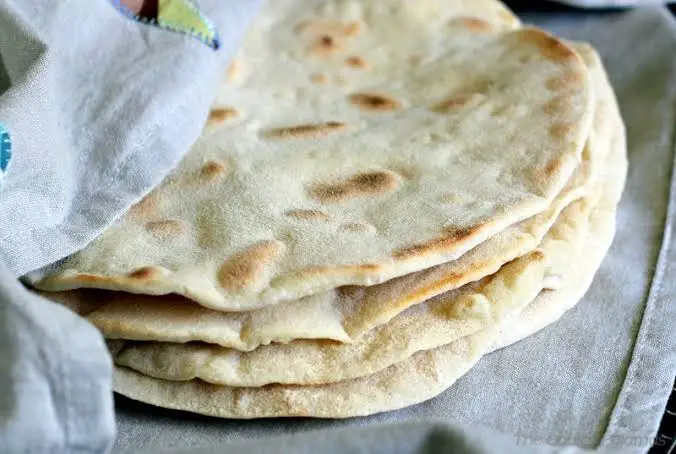
How to Keep Pita Bread Soft After Freezing
One of the biggest concerns is preventing frozen pita from becoming hard and brittle.
The secret is to combine airtight storage with gentle reheating.
Try this simple method:
- Remove a pita from the freezer and let it thaw until flexible.
- Heat a skillet over medium-low to medium heat.
- Lightly mist the pita with water if it feels dry.
- Warm for approximately 20–30 seconds per side.
- Cover briefly to retain warmth and moisture.
- Serve immediately.
Avoid adding too much water, which can make the bread soggy.
Is It Better to Refrigerate or Freeze Pita Bread?
Freezing is generally a better choice for longer storage.
| Storage method | Advantages | Disadvantages |
|---|---|---|
| Room temperature | Convenient, ready to eat | Limited shelf life |
| Refrigerator | Can slow mold growth | Bread tends to stale faster |
| Freezer | Best for long-term freshness | Requires thawing or reheating |
For plain pita that you do not intend to eat soon, freezing is usually preferable to refrigeration. King Arthur Baking also recommends freezing bread to preserve freshness over extended periods. King Arthur Baking
Freezing Pita Bread: Pros and Cons
- Extends usable storage time
Helps reduce food waste
Preserves most of the flavor
Convenient for meal preparation
Allows individual portions
Works with most pita varieties
- Requires freezer space
Poor packaging causes dryness
Some bread may become brittle
Reheating takes extra time
Repeated thawing can reduce quality
Final Review: Is Freezing Pita Bread Worth It?
Overall assessment
4.8/5
Editorial assessment of convenience, freshness preservation, and reheating results — not a laboratory test or customer rating.
| Freshness preservation | Excellent |
| Convenience | Excellent |
| Texture after thawing | Very good |
| Ease of storage | Excellent |
| Food waste reduction | Excellent |
Freezing pita bread is a practical and effective way to extend its shelf life without sacrificing much of its taste or texture. Whether you buy pita in bulk or prepare it at home, keeping a few portions frozen makes it easy to prepare sandwiches, wraps, snacks, and quick meals.
The best overall method: Cool the pita completely, separate individual breads with parchment paper, seal them in an airtight freezer bag, freeze flat at 0°F (-18°C), and use within three months for optimal quality. When you’re ready to eat, thaw briefly and warm in a skillet.
READ ALSO: How long do pickled eggs last?